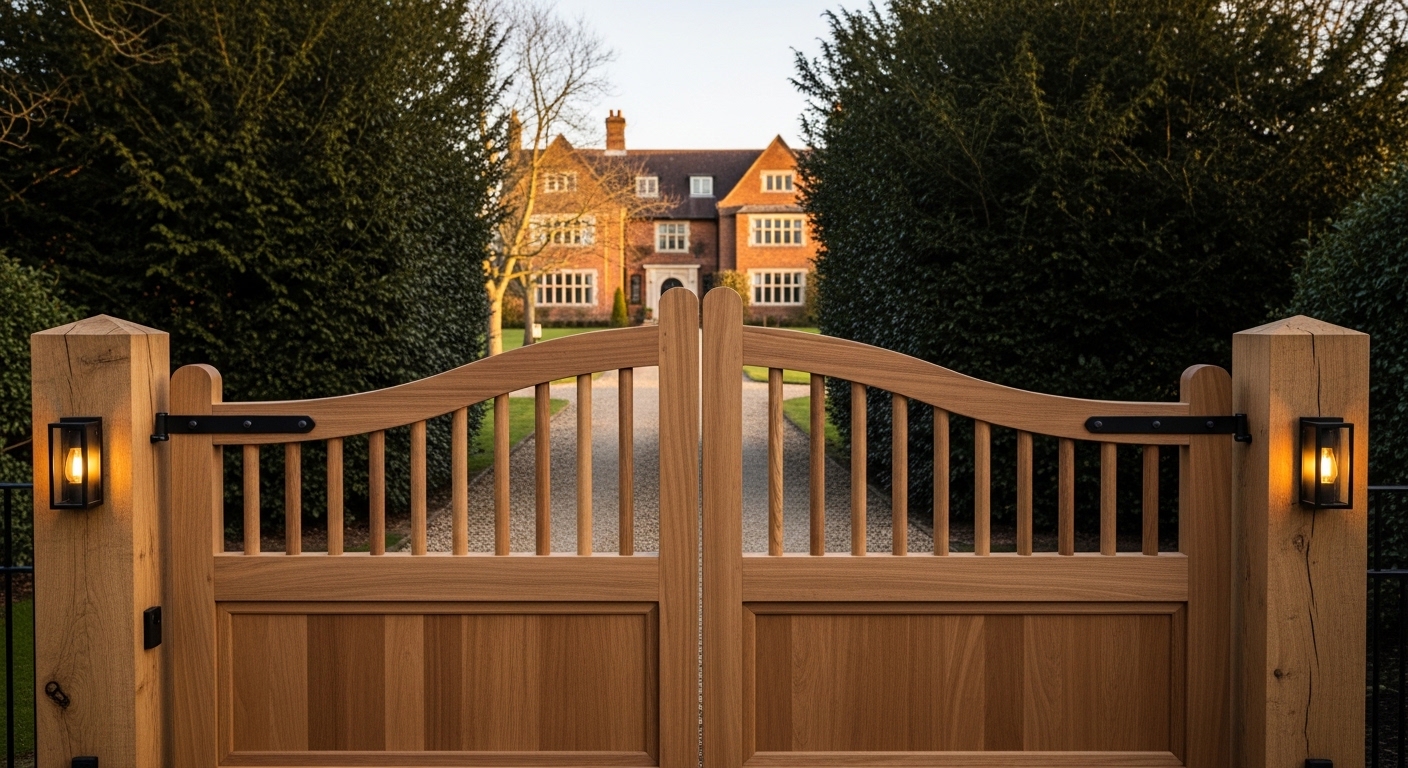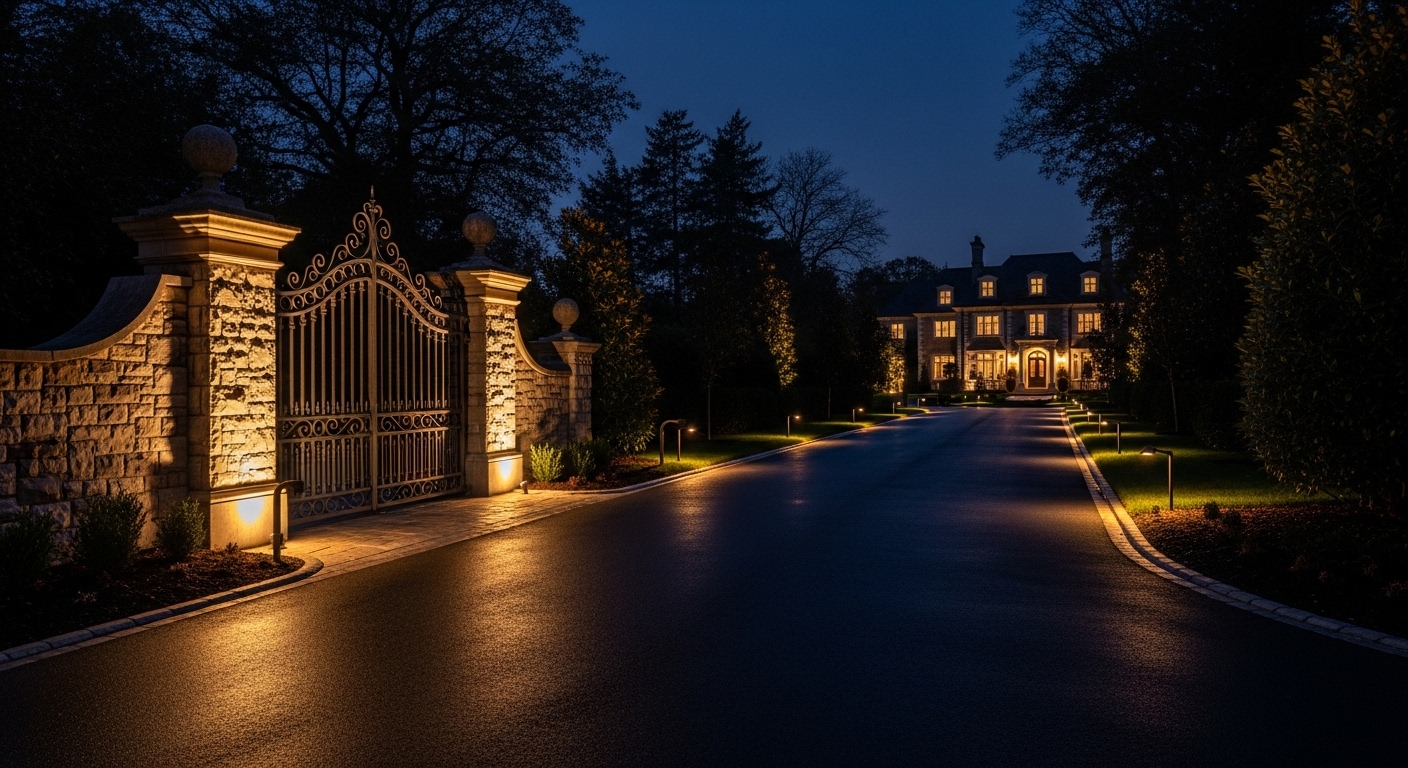

Planning permission is one of the first things Essex homeowners ask about when researching driveway gates, and the good news is that most residential gate installations do not require an application. Under permitted development rights, gates meeting certain criteria can be installed without any engagement with the local planning authority. The complications arise at the edges of the standard rules, in conservation areas, on listed buildings, on properties adjacent to classified roads, and in areas where Article 4 Directions have removed some permitted development rights.
Planning rules for gates are set at national level through the Town and Country Planning (General Permitted Development) Order, but local authorities in Essex apply and interpret them in the context of their local plans and area designations. Understanding the national framework and the Essex-specific variations that most commonly affect residential gate projects is the starting point for any homeowner planning a new installation.
The Permitted Development Rules for Gates in England
Schedule 2, Part 2 of the GPDO permits the installation of gates, fences, and walls subject to height conditions. Gates and fences adjacent to a highway used by vehicular traffic must not exceed 1 metre in height. Gates in all other positions must not exceed 2 metres. The height is measured from natural ground level.
For the majority of residential driveways in Essex, this means a gate of up to 2 metres tall that opens inward onto the property, positioned on a private driveway rather than immediately adjacent to a classified road, does not require a planning application. This covers the standard residential scenario across most of the county.
Free Matching Service
Ready to get driveway gate quotes?
Get matched with vetted Essex installers — no obligation, no cost.
When Planning Permission Is Required

Your gate fronts a classified road. If the gate or any associated wall or post sits immediately adjacent to an A-road, B-road, or any road classified by the highway authority, the permitted development height limit drops to 1 metre. A gate taller than 1 metre in this position requires a planning application. The definition of adjacent is not always obvious; your local authority planning department can confirm the position for your specific site.
Your property is a listed building. Listed building consent is required for any works that affect the character of a listed building or its curtilage, which includes new gate installations regardless of height or position. Grade I, Grade II*, and Grade II listed buildings are all found across Essex, from the historic market towns of Saffron Walden and Thaxted to rural farmhouses across the county. If your property is listed, contact your local authority before proceeding with any gate work.
Your property is in a conservation area. Conservation area designation does not automatically remove permitted development rights for gates, but gate proposals that would affect the character of the area may require prior approval or a full application. The specific requirements vary by district and by the character appraisal for the relevant conservation area. Checking with the planning department before proceeding is the right approach for any property within a designated conservation area.
An Article 4 Direction applies to your property. Article 4 Directions remove some or all permitted development rights from defined areas and require planning permission for works that would otherwise be permitted. Several areas in Essex have Article 4 Directions in place. Your local authority can confirm whether your property is affected.
Essex Districts to Pay Attention To
Epping Forest District covers the densely wooded western edge of Essex and has a high proportion of Green Belt land, listed buildings, and conservation areas. The villages of Theydon Bois, Chipping Ongar, and North Weald Bassett all have conservation designations. The district council applies planning policy carefully in these areas and homeowners should confirm the position for their specific property before proceeding with any gate work.
Uttlesford District, covering the rural north of Essex including Saffron Walden, Great Dunmow, and the surrounding villages, has one of the highest concentrations of listed buildings in Essex relative to its population. Many villages in this district have conservation area designations and the planning authority has a strong tradition of protecting the historic character of the area. Gate installations in this district deserve careful planning investigation before committing to a design.
Colchester City Council covers one of the oldest recorded towns in Britain and has extensive conservation area designations across the historic core and several outlying villages. Pre-application advice from the council is available and is worth seeking for any gate project in or near the conservation area boundary.
Chelmsford City Council covers a mix of urban and rural areas. The historic core of Chelmsford and several conservation villages in the surrounding district have additional planning requirements. The council publishes character appraisals for each conservation area that are useful reading for homeowners whose properties fall within them.
Does Gate Automation Require Its Own Planning Permission?
The motor, control board, and access control equipment do not require separate planning permission. The planning consideration relates to the gate structure, its height, and its position. If the gate itself is permitted development, the automation system attached to it is also permitted. Intercom posts and keypad columns at standard residential heights rarely raise planning issues in practice, but a post at an unusual height or position adjacent to a highway is worth confirming.
Retrospective Permission and Enforcement
Installing gates without required planning permission is a planning breach. Local authorities can require a retrospective application, which may or may not be approved, or issue an enforcement notice requiring removal or alteration of the works. In conservation areas and listed building contexts the consequences are more serious, as listed building consent offences can result in prosecution and substantial fines.
The risk is straightforward to avoid. If there is any doubt about the planning position for your property, a pre-application enquiry to the local authority costs nothing and provides a definitive answer before any commitment is made. Your installer should flag any planning concerns at the site survey stage and should be familiar with the general planning position in the area where they work regularly.
How to Confirm the Position for Your Property
Check whether your property is listed using the Historic England National Heritage List for England, available online. Check for conservation area designations on your district or borough council planning portal. Check for Article 4 Directions using the same planning portal. If any of these apply, contact the planning department for pre-application advice before commissioning an installer.
For standard residential properties outside any of these designations, the permitted development position is generally clear and a planning application is not required for a gate up to 2 metres tall opening inward on a private driveway not adjacent to a classified road.